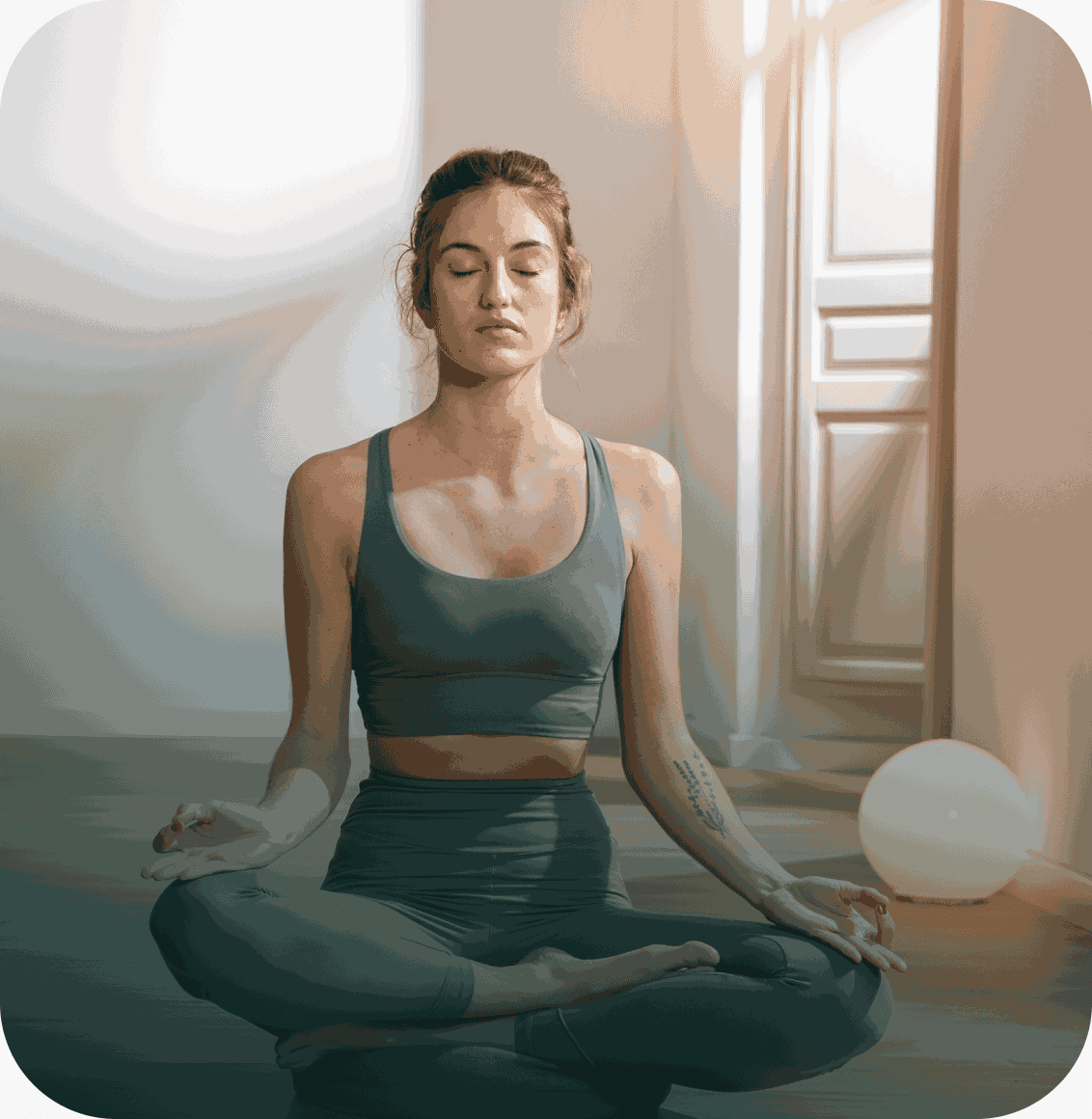
Vipassana meditation, meaning 'seeing things as they really are' in Pali, is one of India's oldest meditation techniques, taught over 2,500 years ago by the Buddha Siddharta Gautama as a universal path to liberation from suffering. Rediscovered and popularised in the 20th century by Burmese teacher S.N. Goenka, who founded a global network of over 200 meditation centres, Vipassana is now practised by millions worldwide, regardless of any religion or belief system. The technique rests on the systematic, detached observation of bodily sensations — heat, cold, tingling, pressure, pain — as they naturally arise and pass away, moment by moment. This attentive, non-reactive observation progressively develops a direct experiential understanding of impermanence (anicca), suffering (dukkha) and non-self (anatta), the three fundamental characteristics of existence in Buddhist philosophy. In Switzerland, Vipassana is taught at the official Dhamma Sumeru centre in Mont-Soleil (Bernese Jura), which organises 10-day silent retreats in the S.N. Goenka tradition, entirely free and funded by donations from past participants. Other teachers and centres offer Vipassana retreats of varying lengths in Geneva, Lausanne and the Alps. In Portugal, the Dhamma Santosa centre in Pombal (Central region) offers the same 10-day retreat programme. Retreats are also organised in the Alentejo and Algarve. Recommended daily practice consists of two seated meditation sessions of 30 to 60 minutes, morning and evening. Vipassana is neither a religion, nor an intellectual philosophy, nor a relaxation exercise: it is a practical self-observation technique that, through discipline and perseverance, leads to a profound transformation of one's relationship with the mind, emotions and suffering.