





Verified DiplomaTeleconsultation
5.0(12)
Tantra (energy, awareness, relationship) · Dance Therapy · Mindfulness · Sacred Feminine · Sacred Masculine
AveiroLanguages: PT · ES
Ecotherapy / Forest Bathing · Performance Coaching · Movement Meditation
LisboaLanguages: EN · PT · ES
Yoga · Breathwork · Meditation · Human Design · Life Coaching
BejaLanguages: DE · EN · PT
Yoga · Reiki · Meditation · Guided Therapeutic Meditation
PortoLanguages: EN · PT
Naturopathy · Biofeedback · Reflexology · Guided Therapeutic Meditation · Nutrition / Dietetics
LisboaLanguages: PT · ES · EN
Meditation · Movement Meditation · Guided Therapeutic Meditation · Conferences & Talks
Beja
Breathwork · Movement Meditation
LisboaLanguages: EN · ES · PTExperience: 15 years
Integrative Psychology · Body Psychotherapy · Hypnosis · Movement Meditation · Reiki
Lisboa
Craniosacral Therapy · Meditation · Integrative Medicine · Naturopathy · Integrative Psychology
LisboaLanguages: EN · ES · FRExperience: 10 years
Integrative Psychology · Transpersonal Psychology · Meditation · Sound Healing · Life Coaching
LisboaLanguages: EN · ES · IT
Ancestral Rituals · Somatic Experiencing · Meditation · Breathwork · Shamanism
EriceiraLanguages: EN · RU · PT
Guided Therapeutic Meditation · Yoga
SetúbalLanguages: EN · ES
Meditation · Yoga
LisboaLanguages: PT · EN
Pilates · Therapeutic Pilates · Meditation · Conferences & Talks · Plant Medicine Ceremony
Lisboa
Meditation · Yoga
LisboaLanguages: EN · PT
Family Constellations · Ancestral Rituals · Meditation · Relaxation Massage · Guided Therapeutic Meditation
Viana do CasteloLanguages: PT · FR · ES
Guided Therapeutic Meditation · Meditation · Breathwork · Kirtan · Yoga
LisboaLanguages: EN · ES · PT
Yoga · Meditation · Myofascial Therapy
LeiriaLanguages: FR · ENExperience: 23 years
Yoga · Breathwork · Meditation
PortoLanguages: EN · PT
Qigong · Aromatherapy · Movement Meditation · Reiki · Life Coaching
PortoLanguages: PT · EN
Integrative Psychology · Ancestral Rituals · Psychedelic-Assisted Therapy · Transpersonal Psychology · Mindfulness
SetúbalLanguages: PT · EN
Integrative Psychology · Transpersonal Psychology · Mindfulness
LouresLanguages: PT · EN · ES
Therapeutic Massage · Yoga · Relaxation Massage · Meditation
PortoLanguages: EN · PTExperience: 10 years
Reiki · Dowsing · Meditation
PortoLanguages: PT
Mindfulness
OeirasLanguages: EN · PT
Conferences & Talks · Pilates · Mindfulness · Yoga · Health Coaching
SetúbalLanguages: ES · PT · EN
Yoga · Ayurveda · Somatic Experiencing · Tantra (energy, awareness, relationship) · Meditation
LisboaLanguages: EN · PT · ES
Pilates · Meditation
LisboaLanguages: EN · PT · FR
Tai Chi · Meditation · Feng Shui · Chromotherapy / Color therapy · Quantum Therapy
LisboaLanguages: PT · EN · FRExperience: 48 years
Dance Therapy · Movement Meditation
OeirasLanguages: EN · ES · PT
Meditation · Astrology · Reiki · NLP (Neuro-Linguistic Programming)
LisboaLanguages: PT · EN
Life Coaching · Reiki · Guided Therapeutic Meditation · Guided Relaxation · Breathwork
PortoLanguages: FR
Life Coaching · NLP (Neuro-Linguistic Programming) · Meditation · Performance Coaching
LisboaLanguages: PT
Ayurvedic Massage · Yoga · Somatic Experiencing · Meditation
LisboaLanguages: EN · PT · ES
Hypnosis · Meditation · Radionic Table · Reiki
PortoLanguages: EN · PT
Reiki · Ecstatic Dance · Ice Baths (Wim Hof) · Biohacking · Meditation
SintraLanguages: ES · FR · PT
Integrative Medicine · Aromatherapy · Meditation · Reiki · Guided Relaxation
PortoLanguages: PT
Breathwork · Ecstatic Dance · Ice Baths (Wim Hof) · Meditation · NLP (Neuro-Linguistic Programming)
PortoLanguages: EN · PT
Hypnosis · Meditation · Guided Relaxation
FaroLanguages: EN · FR
Yoga · Mindfulness · Meditation · Guided Relaxation
BragaLanguages: PT · ES
Reiki · Crystal Therapy · Guided Therapeutic Meditation · Numerology · Chakra Balancing
LisboaLanguages: PTExperience: 12 years
Guided Therapeutic Meditation · Meditation
LisboaLanguages: PT
Quantum Therapy · Spiritual Guidance · Chakra Balancing · Guided Therapeutic Meditation · Magnetism / Energy Healing
LisboaLanguages: ES · EN · PT
Yoga · Ayurvedic Massage · Meditation
Lisboa
Yoga · Prenatal Yoga · Meditation · Reiki · Ancestral Rituals
Setúbal
Transpersonal Psychology · Shiatsu · Guided Therapeutic Meditation
BragaLanguages: PT
Hypnosis · Dowsing · Mindfulness
LisboaMeditation is a family of attention-training practices — mindfulness, focused-attention, open-monitoring, loving-kindness (metta), body scan, visualisation and movement-based forms — aimed at stabilising attention, regulating stress physiology and cultivating awareness of thoughts, sensations and emotions. In Portugal, meditation is offered as individual sessions, weekly group classes, 8-week structured programmes (MBSR, MBCT), silent retreats and workplace interventions. It is a non-medical practice: it complements, but does not replace, medical or psychological treatment. Instruction quality varies widely because meditation teaching is not a regulated health profession under Portuguese law (Lei n.º 71/2013 covers specific non-conventional therapeutics, not meditation instruction).
A typical individual session in Portugal lasts 45-60 minutes and costs 30-70€ (2026). Group classes run 60-90 minutes at 10-20€ per drop-in, with monthly passes commonly 40-80€. Structured 8-week MBSR/MBCT programmes cost 300-495€ and include ~2.5h weekly sessions plus one full day of practice. Silent residential retreats (weekend to 10 days) range 150-1200€ depending on duration, teacher lineage and accommodation. Online 1:1 guided sessions typically sit at the lower end of the price band (25-45€).
Evidence base is strongest for mindfulness-based interventions (MBIs). Meta-analyses (JAMA Internal Medicine 2014; Goyal et al.) found moderate evidence that mindfulness meditation programmes reduce anxiety, depression and pain, with effects comparable to active controls. MBCT (Mindfulness-Based Cognitive Therapy) is recommended by NICE (UK) for prevention of depressive relapse in patients with three or more prior episodes. Effects on attention and working memory appear after 4-8 weeks of consistent practice (20+ minutes/day). Evidence is weaker for cardiovascular endpoints and mixed for sleep.
Indications commonly reported: chronic stress, generalised anxiety, rumination, mild-to-moderate depressive symptoms (as adjunct), sleep-onset difficulties, chronic pain coping, emotional regulation, and burnout prevention. Contraindications and cautions: acute psychosis, untreated PTSD with dissociation, severe depression with suicidal ideation — intensive silent retreats are not appropriate in these cases without clinical supervision. Rare adverse effects (meditation-related difficulties) include increased anxiety, depersonalisation or re-emergence of trauma; a 2020 Clinical Psychology Review paper estimated 8-12% of practitioners report at least one unpleasant meditation-related experience.
How to choose an instructor in Portugal: verify teacher training lineage (MBSR/MBCT teachers should hold certification from the Center for Mindfulness at UMass, Oxford Mindfulness Centre, or equivalent bodies such as the Portuguese Mindfulness Association). Ask about supervision, personal practice history (5+ years is standard for teachers), and whether the format is secular or contemplative-tradition based (Zen, Vipassana, Tibetan, Yoga-derived). For clinical concerns, prefer instructors who are also licensed health professionals (psychologists, doctors) or who work in collaboration with one.
Individual session: 45-60 min, 30-70€ in Portugal (2026).
Group class: 60-90 min, 10-20€ drop-in; monthly pass 40-80€.
8-week MBSR/MBCT programme: 300-495€, ~20h contact time plus one all-day session.
Silent retreats: 150-1200€ (weekend to 10 days), residential.
Main forms: mindfulness (open-monitoring), focused-attention (breath, mantra), body scan, loving-kindness (metta), visualisation, movement meditation (walking, yoga nidra).
Evidence: JAMA Intern Med 2014 meta-analysis — moderate effect on anxiety, depression, pain.
NICE (UK) recommends MBCT for prevention of depressive relapse (3+ prior episodes).
Recommended daily dose: 10-20 min for beginners; measurable attention effects after 4-8 weeks consistent practice.
Contraindications for intensive retreats: acute psychosis, dissociative PTSD, active suicidality without clinical support.
Adverse effects: 8-12% of practitioners report at least one difficult meditation-related experience (Clinical Psychology Review 2020).
Not regulated as a health profession under Portuguese Lei n.º 71/2013.
Teacher certification benchmarks: UMass CFM, Oxford Mindfulness Centre, or recognised lineage training (5+ years personal practice standard).
Directory coverage: 25 active meditation practitioners in Portugal, concentrated in Lisboa (7), Oeiras (2) and Beja (2), with reach across Faro, Porto, Ericeira and Odivelas.
Indicative pricing
€40–80 / session (varies by practitioner)
Are you a meditation practitioner in Portugal?
Join the launch list and be among the first verified profiles to appear.
Other cities — Meditation
Popular therapies
Meditation is a family of attention-training practices — mindfulness, focused-attention, open-monitoring, loving-kindness (metta), body scan, visualisation and movement-based forms — aimed at stabilising attention, regulating stress physiology and cultivating awareness of thoughts, sensations and emotions. In Portugal, meditation is offered as individual sessions, weekly group classes, 8-week structured programmes (MBSR, MBCT), silent retreats and workplace interventions. It is a non-medical practice: it complements, but does not replace, medical or psychological treatment. Instruction quality varies widely because meditation teaching is not a regulated health profession under Portuguese law (Lei n.º 71/2013 covers specific non-conventional therapeutics, not meditation instruction).
A typical individual session in Portugal lasts 45-60 minutes and costs 30-70€ (2026). Group classes run 60-90 minutes at 10-20€ per drop-in, with monthly passes commonly 40-80€. Structured 8-week MBSR/MBCT programmes cost 300-495€ and include ~2.5h weekly sessions plus one full day of practice. Silent residential retreats (weekend to 10 days) range 150-1200€ depending on duration, teacher lineage and accommodation. Online 1:1 guided sessions typically sit at the lower end of the price band (25-45€).
Evidence base is strongest for mindfulness-based interventions (MBIs). Meta-analyses (JAMA Internal Medicine 2014; Goyal et al.) found moderate evidence that mindfulness meditation programmes reduce anxiety, depression and pain, with effects comparable to active controls. MBCT (Mindfulness-Based Cognitive Therapy) is recommended by NICE (UK) for prevention of depressive relapse in patients with three or more prior episodes. Effects on attention and working memory appear after 4-8 weeks of consistent practice (20+ minutes/day). Evidence is weaker for cardiovascular endpoints and mixed for sleep.
Indications commonly reported: chronic stress, generalised anxiety, rumination, mild-to-moderate depressive symptoms (as adjunct), sleep-onset difficulties, chronic pain coping, emotional regulation, and burnout prevention. Contraindications and cautions: acute psychosis, untreated PTSD with dissociation, severe depression with suicidal ideation — intensive silent retreats are not appropriate in these cases without clinical supervision. Rare adverse effects (meditation-related difficulties) include increased anxiety, depersonalisation or re-emergence of trauma; a 2020 Clinical Psychology Review paper estimated 8-12% of practitioners report at least one unpleasant meditation-related experience.
How to choose an instructor in Portugal: verify teacher training lineage (MBSR/MBCT teachers should hold certification from the Center for Mindfulness at UMass, Oxford Mindfulness Centre, or equivalent bodies such as the Portuguese Mindfulness Association). Ask about supervision, personal practice history (5+ years is standard for teachers), and whether the format is secular or contemplative-tradition based (Zen, Vipassana, Tibetan, Yoga-derived). For clinical concerns, prefer instructors who are also licensed health professionals (psychologists, doctors) or who work in collaboration with one.
Individual session: 45-60 min, 30-70€ in Portugal (2026).
Group class: 60-90 min, 10-20€ drop-in; monthly pass 40-80€.
8-week MBSR/MBCT programme: 300-495€, ~20h contact time plus one all-day session.
Silent retreats: 150-1200€ (weekend to 10 days), residential.
Main forms: mindfulness (open-monitoring), focused-attention (breath, mantra), body scan, loving-kindness (metta), visualisation, movement meditation (walking, yoga nidra).
Evidence: JAMA Intern Med 2014 meta-analysis — moderate effect on anxiety, depression, pain.
NICE (UK) recommends MBCT for prevention of depressive relapse (3+ prior episodes).
Recommended daily dose: 10-20 min for beginners; measurable attention effects after 4-8 weeks consistent practice.
Contraindications for intensive retreats: acute psychosis, dissociative PTSD, active suicidality without clinical support.
Adverse effects: 8-12% of practitioners report at least one difficult meditation-related experience (Clinical Psychology Review 2020).
Not regulated as a health profession under Portuguese Lei n.º 71/2013.
Teacher certification benchmarks: UMass CFM, Oxford Mindfulness Centre, or recognised lineage training (5+ years personal practice standard).
Directory coverage: 25 active meditation practitioners in Portugal, concentrated in Lisboa (7), Oeiras (2) and Beja (2), with reach across Faro, Porto, Ericeira and Odivelas.
Indicative pricing
€40–80 / session (varies by practitioner)
Are you a meditation practitioner in Portugal?
Join the launch list and be among the first verified profiles to appear.
Other cities — Meditation
Popular therapies
Upcoming events
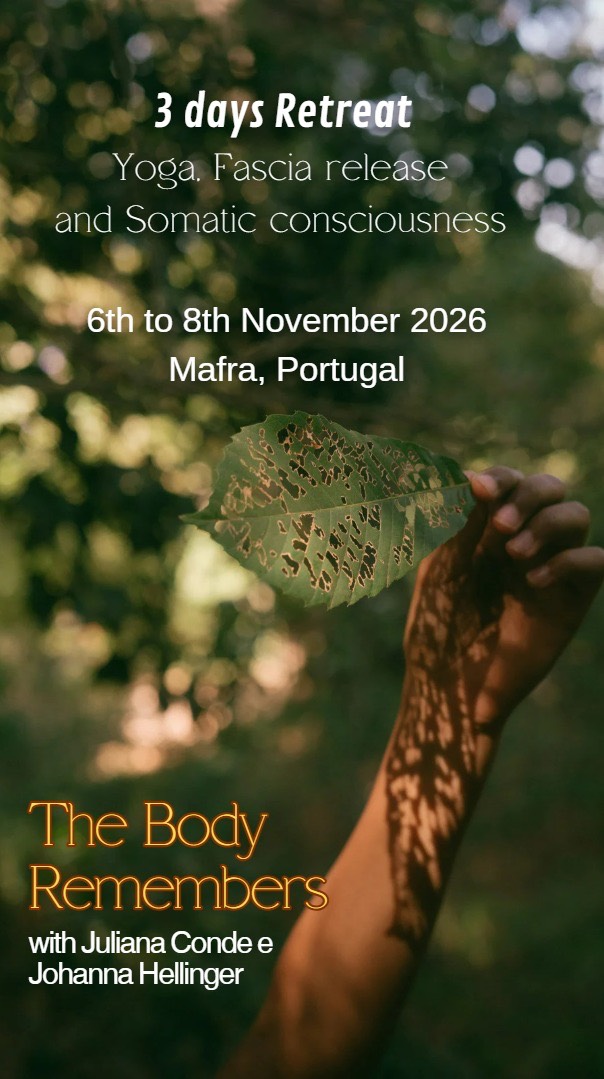
Workshops and retreats linked to this practice:


Explore variants of this practice:
Featured articles

16 Jun 2026
 Equipa Kuralis
Descubra como começar a meditar em Lisboa, que tipos de meditação existem, quais os benefícios mais estudados e como escolher cursos ou retiros com segurança.

11 Jun 2026
Equipa KuralisDescubra os principais tipos de meditação, os seus benefícios, retiros disponíveis em Portugal e conselhos práticos para começar com clareza e segurança.

15 May 2026
Equipa KuralisNos últimos anos, os retiros de yoga tornaram-se uma das experiências de bem-estar mais procuradas em Portugal. A região de Lisboa, pela proximidade entre cidade, natureza e oceano, acabou por se tornar um dos principais pontos de encontro para este tipo de experiência. Mais do que simples escapadelas, os retiros de yoga criam espaço para desacelerar, recuperar energia e sair temporariamente do ritmo acelerado do quotidiano. Muitos decorrem em zonas próximas de Lisboa, Sintra ou costa atlântica, combinando prática física, meditação, alimentação consciente e momentos de introspeção.


